

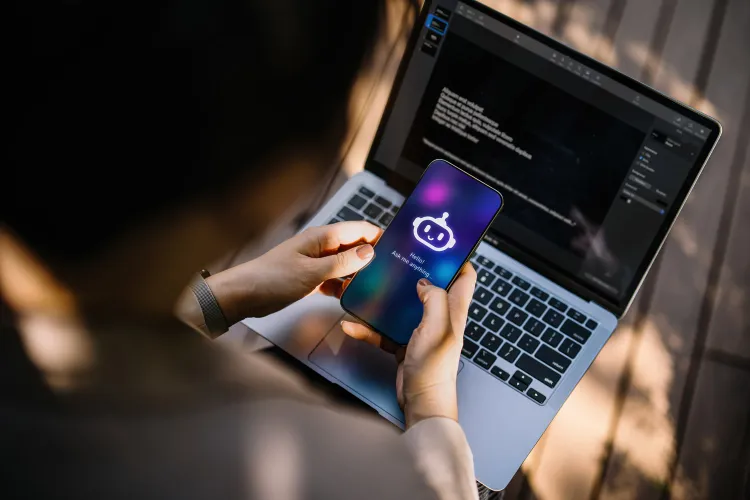
Artificial Intelligence is changing the way people interact online. What was once seen only as a tool for information and productivity is now becoming something more personal. Many people, especially young users, are beginning to interact with AI in ways that feel emotional, supportive, and deeply conversational. For some, AI has become a place to seek comfort, advice, reassurance, or companionship. Because these tools respond quickly, appear understanding, and are always available, they can create the feeling of connection. Over time, this can lead to emotional attachment and dependence without people fully realizing it. Young people are especially vulnerable because they are still developing emotionally and socially. When AI begins to replace real conversations and human support, it can affect emotional growth, relationships, and mental well being. This article looks at why emotional attachment to AI is increasing, the warning signs families should notice, and how to encourage healthy and balanced technology use without replacing genuine human connection.
Why AI Is Starting to Feel Personal

Photo credit: Diva Plavalaguna via Pexels
Artificial Intelligence is designed to interact in ways that feel natural and engaging. Unlike traditional technology, AI can respond to questions, continue conversations, remember patterns, and communicate in a way that sounds human. This is one reason many people are beginning to experience AI as something personal rather than simply a tool. When someone feels lonely, stressed, confused, or emotionally overwhelmed, an AI tool may seem comforting because it responds immediately and without judgment. It listens, answers quickly, and is available at any time of the day. For young people especially, this constant availability can create a sense of familiarity and emotional comfort.
Another reason AI feels personal is the way it adapts to users. It learns preferences, communication styles, and interests, making interactions feel more tailored and engaging over time. This can create the impression that the AI “understands” the person using it. However, it is important to remember that AI does not form real emotional relationships. It does not feel empathy, care, or emotional connection. It generates responses based on data and patterns, not genuine understanding. The danger begins when users start replacing real human conversations with AI interaction because it feels easier, safer, or more comforting. This shift may happen quietly. What begins as curiosity or convenience can slowly become emotional reliance.
Simple Insight:
AI may sound human, but it cannot replace real human understanding and connection.
Why Young People Are Forming Emotional Attachments to AI

Emotional attachment to AI can develop quietly when young people begin depending on technology for comfort and emotional support. Young people are naturally curious, emotionally expressive, and often searching for connection and understanding. Because of this, they are more likely to form emotional attachments to AI tools, especially when those tools feel supportive, responsive, and easy to talk to.
One major reason is loneliness and emotional need. Some young people may feel misunderstood, isolated, or uncomfortable sharing their feelings with others. AI can appear easier to talk to because it responds quickly and does not criticize or reject them.
Another factor is constant accessibility. Unlike human relationships, AI is always available. It can respond at any time, day or night. For a young person seeking comfort or reassurance, this constant availability can become emotionally appealing.
There is also the issue of fear of judgment. Many young people worry about being misunderstood or embarrassed when speaking to parents, teachers, or peers. AI may feel emotionally “safe” because it allows them to express thoughts privately without fear of criticism.
In addition, many AI systems are designed to keep conversations flowing naturally. The more engaging and personalized the interaction becomes, the easier it is for users to feel emotionally connected. Recent studies in the United States show that emotional reliance on AI is becoming increasingly common among young people. A 2025 national study reported by People Magazine found that 13% of adolescents and young adults in the U.S. have already used AI chatbots for mental health advice, with even higher use among those aged 18–21. Researchers noted that many young users are drawn to AI because it feels private, immediate, and non judgmental.
This trend is also important for African countries to pay attention to. The situation is becoming increasingly relevant across African countries, including Ghana, Nigeria, Kenya, and South Africa, where smartphone use and internet access among young people continue to grow rapidly. Many African young people face:
- Emotional stress
- Academic pressure
- Loneliness
- Unemployment concerns
- Family challenges
- Limited access to mental health support
This is because mental health conversations are still stigmatized in many communities, some young people may find AI easier to talk to than parents, teachers, counsellors, or religious leaders. In many African homes, emotional struggles are often hidden or misunderstood. A young person who feels unheard or afraid of judgment may quietly turn to AI chatbots for comfort, advice, or emotional escape.
The challenge is that many African families are still unaware that AI is beginning to play this emotional role in young people’s lives. There is also the issue of digital vulnerability. Many young Africans are entering AI driven spaces without enough digital literacy, emotional guidance, or awareness about the risks of emotional dependence.
Social and emotional pressures online also contribute to this attachment. Young people already spend large amounts of time in digital spaces. As AI becomes integrated into apps, chats, and online experiences, emotional interaction with technology can begin to feel normal. The concern is not simply that young people use AI. It is when AI begins to replace real emotional support, relationships, and healthy human interaction. Without proper guidance, emotional attachment to AI could quietly increase loneliness, isolation, and emotional dependence while weakening real life support systems.
Simple Insight:
When emotional comfort is found mainly in technology, real life connection can slowly become weaker.
The Hidden Risks of Replacing Human Connection
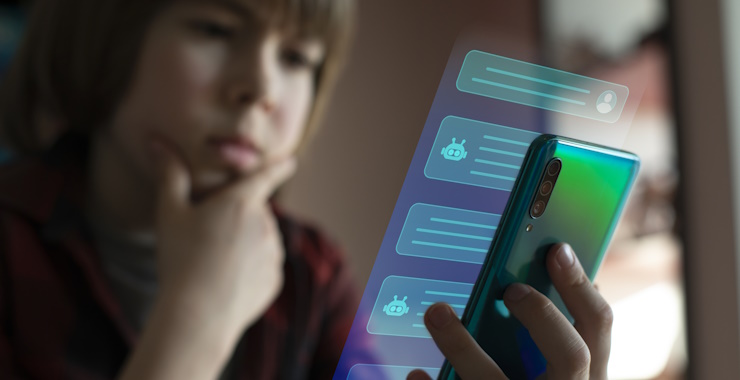
Human relationships play an important role in emotional growth, communication, and mental wellbeing. When AI begins to replace real human interaction, the effects may not appear immediately, but they can gradually affect how young people relate to themselves and others.
One major risk is social withdrawal. A young person who becomes emotionally attached to AI may begin spending less time talking with family or friends. Real conversations may start to feel more difficult, uncomfortable, or emotionally demanding compared to interacting with technology.
Another concern is reduced emotional development. Healthy relationships teach important life skills such as empathy, patience, conflict resolution, and emotional understanding. AI interactions are predictable and controlled, which means young people may miss opportunities to develop these real-world social and emotional skills.
There is also the danger of emotional dependence. Some individuals may begin turning to AI first whenever they feel stressed, lonely, or confused instead of seeking support from trusted people. Over time, this can weaken emotional resilience and healthy coping skills.
Another hidden risk is distorted understanding of relationships. AI can appear endlessly patient, agreeable, and available. Real human relationships, however, involve boundaries, accountability, emotions, and mutual effort. Young people who spend too much time relying on AI interaction may develop unrealistic expectations of communication and support.
Mental health can also be affected. Excessive emotional reliance on AI may increase feelings of isolation, anxiety, or loneliness when genuine human support is lacking. The concern is not about rejecting technology. It is about ensuring that technology supports life without replacing the human connection people emotionally need.
Simple Insight:
Technology can respond to emotions, but only real relationships can truly nurture emotional growth
Warning Signs Families Should Never Ignore

Emotional attachment to AI often develops slowly, which is why the warning signs can easily be missed at first. Paying attention to behavioural and emotional changes can help families respond early with support and guidance.
One important sign is spending excessive time interacting with AI tools beyond normal learning or productivity use. A young person may begin seeking AI interaction constantly, even during family time or social activities.
Another warning sign is preferring AI conversations over real human interaction. Some young people may avoid talking to parents, friends, or trusted adults while becoming more emotionally engaged with AI chats or digital conversations.
Families should also pay attention to emotional reliance on AI for comfort or advice. A young person may begin turning to AI first whenever they feel stressed, lonely, upset, or confused instead of seeking human support.
Another concern is withdrawal from offline relationships and activities. Reduced interest in friendships, hobbies, family discussions, or community involvement may indicate growing emotional isolation linked to excessive digital attachment.
Changes in mood and emotional behaviour can also appear. Some individuals may become irritable, emotionally distant, anxious, or defensive when questioned about their AI use.
Another subtle sign is sharing highly personal thoughts or emotional struggles mainly with AI instead of trusted people. This may indicate difficulty building or maintaining healthy emotional support systems in real life. It is important not to respond with fear or punishment. Young people need guidance, understanding, and healthy alternatives not shame. Digital loneliness and emotional isolation can also increase when technology begins replacing meaningful human interaction.
ALSO CHECK
A Helpful Reminder for Families
Technology itself is not the enemy. The goal is to help young people maintain balance, healthy relationships, and emotional connection in real life.
Simple Insight:
The earlier emotional dependence is noticed, the easier it is to guide young people back toward healthy connection and balance.
ALSO CHECK
Keeping Technology in Balance
Artificial Intelligence can be useful for learning, creativity, communication, and problem-solving. The goal is not to fear or completely avoid AI, but to ensure that it remains a tool rather than becoming a substitute for real emotional connection.
One of the most important steps is encouraging healthy human relationships. Young people need regular opportunities for face to face conversations, family interaction, friendships, mentorship, and emotional support from trusted people.
Families should also create healthy boundaries around technology use. This may include setting limits for screen time, encouraging device free moments, and making space for offline activities that strengthen emotional wellbeing.
Another important step is teaching emotional awareness. Young people should learn how to recognize their feelings and feel comfortable expressing emotions openly with trusted adults instead of depending mainly on digital interaction.
Parents and caregivers should maintain open and non judgmental communication. Young people are more likely to seek support when they know they will be listened to with understanding rather than criticism.
It is also important to help children and teenagers understand the difference between AI responses and genuine human care. AI can generate comforting language, but it does not replace empathy, shared experience, accountability, or emotional presence.
Schools, faith communities, and youth organisations can also play a role by creating supportive environments where young people feel connected, valued, and emotionally safe.
AI companionship and emotional attachment are becoming important mental health concerns in today’s digital world. While AI tools can provide convenience and interaction, they should never replace genuine human relationships and emotional support.
Young people need guidance to use technology in balanced and healthy ways. By encouraging real conversations, emotional awareness, strong relationships, and healthy digital boundaries, families can help prevent emotional dependence on AI.
This Mental Health Month, let us remember that while technology can assist communication, healing, growth, and belonging are still rooted in human connection. Families should pay attention to signs of emotional attachment to AI and encourage healthy real life connection.
Call to Action:
Take time this week to reconnect offline with your child, a friend, or someone in your community. Sometimes the most meaningful support begins with a simple real life conversation.